
Lithium Battery Fire Test

Test Overview

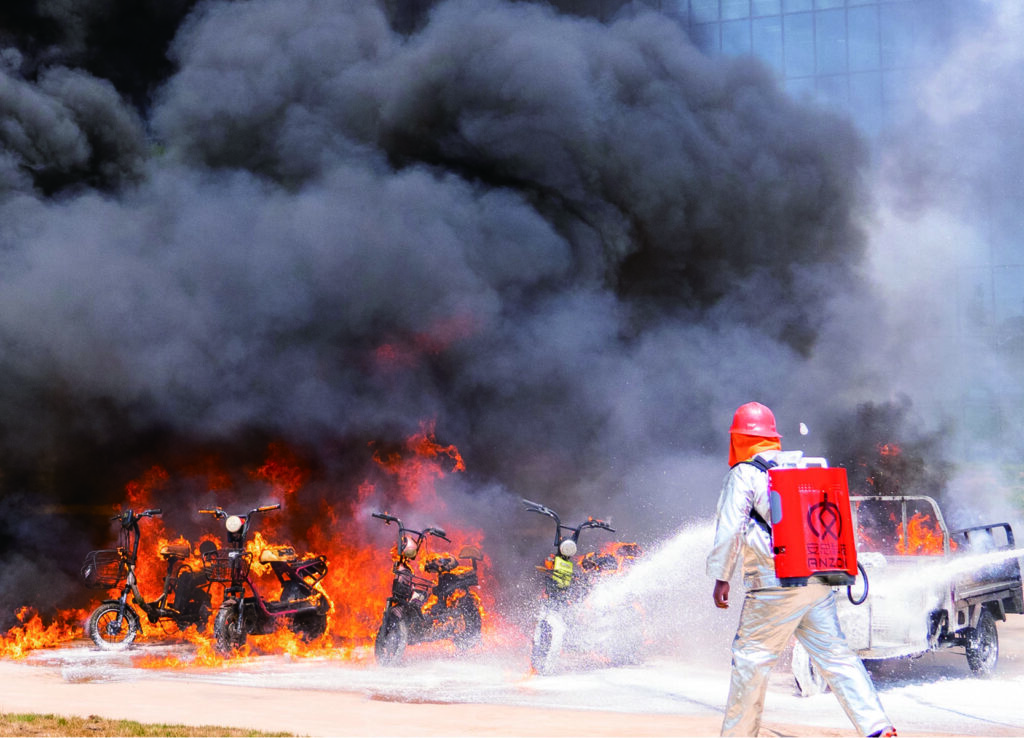
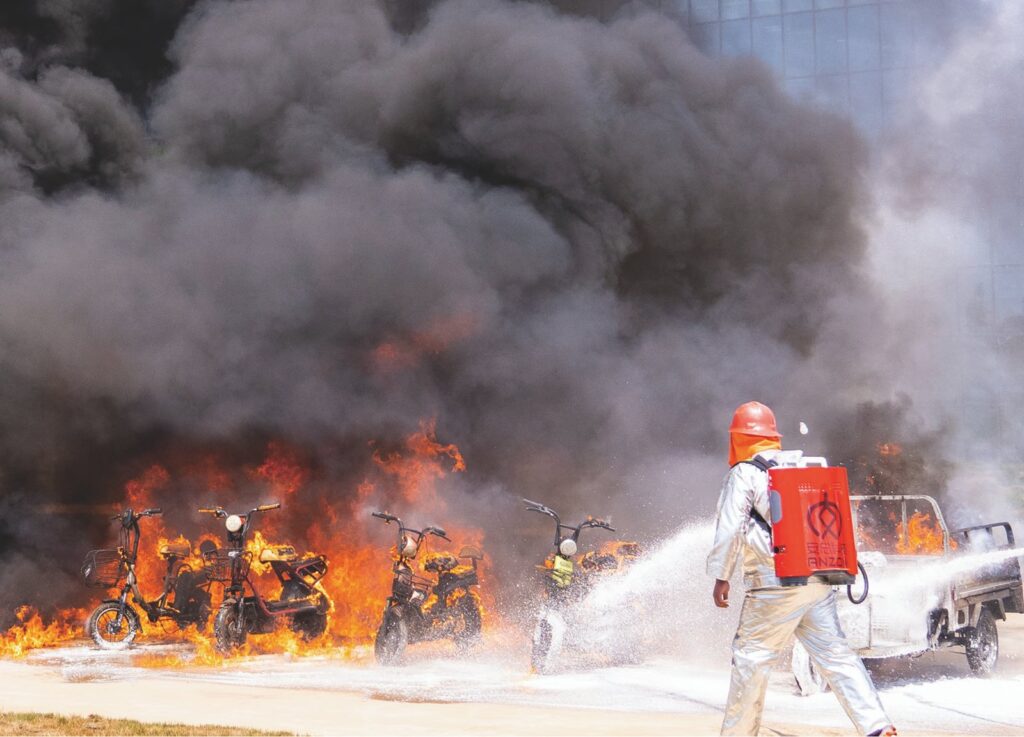
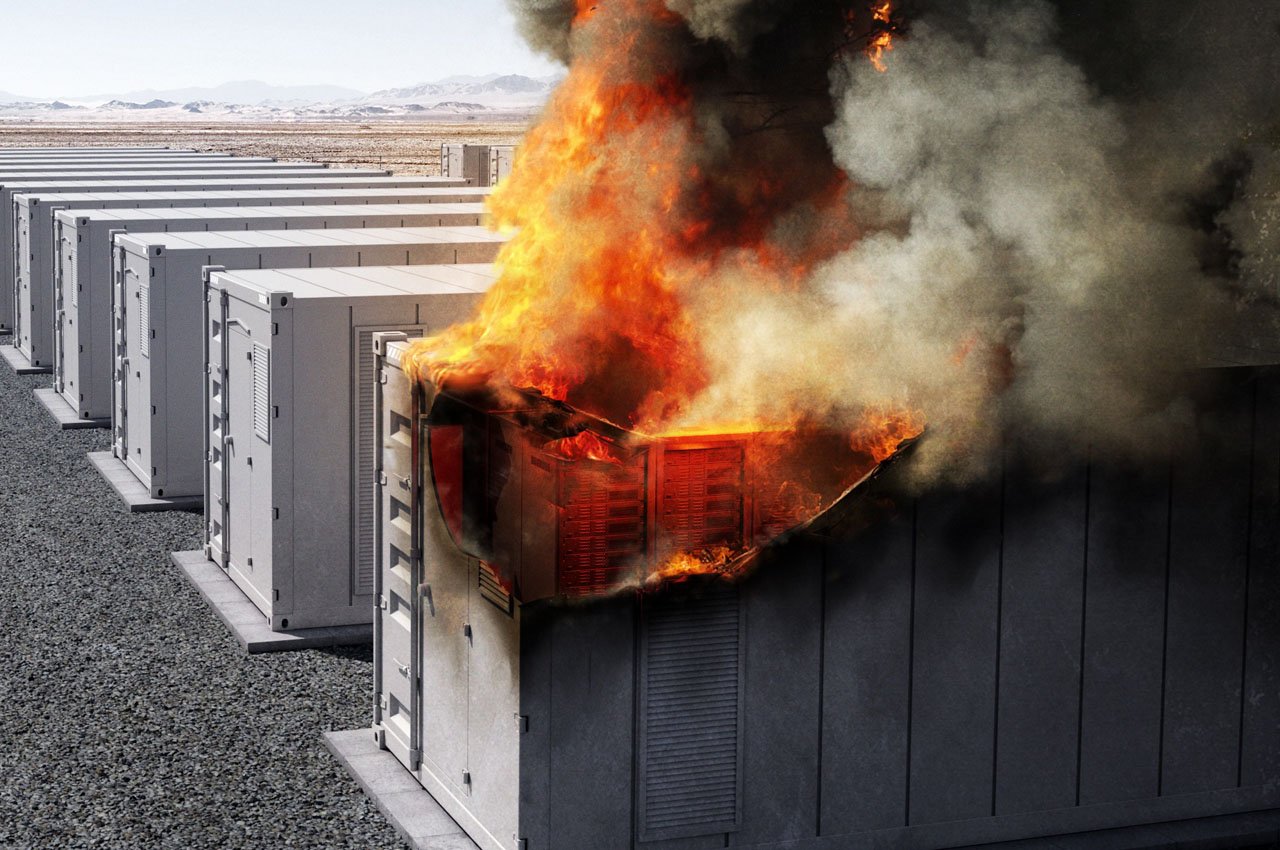
This test evaluates the performance of aerogel-based fire suppression technology in lithium-ion battery fire scenarios under real fire conditions.

The objective is to verify suppression effectiveness, cooling performance, and re-ignition prevention during thermal runaway events.

All tests are conducted using controlled ignition methods and monitored with temperature and combustion data to ensure reliable and repeatable results.

The results confirm that aerogel-based suppression is highly effective in lithium battery fire scenarios with no re-ignition risk.

Test Validation
14 2

Test Scenario & Procedure

Fire Type: Lithium-ion battery thermal runaway
Test Object: Battery module / pack
Ignition Method: External heating trigger
Environment: Semi-enclosed test space

Test Procedure

Real Fire Test Footage →

Key Fire Test Results

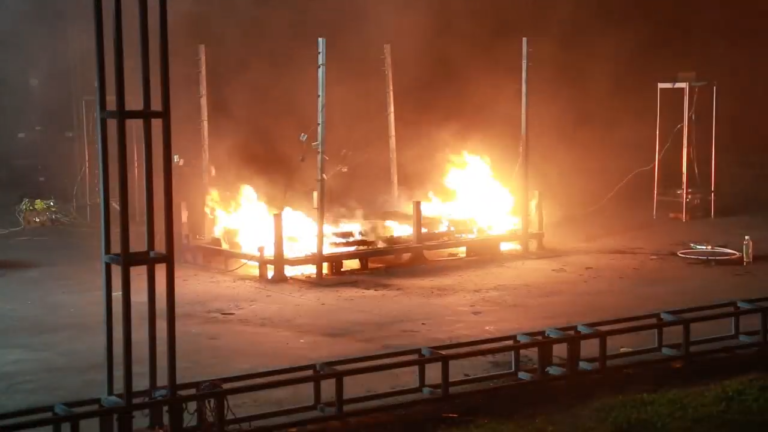
lithium battery fire test1

Rapid Fire Suppression

Extinguishes lithium battery fires within ≤120 seconds under thermal runaway conditions. Significantly reduces flame intensity and prevents fire spread.
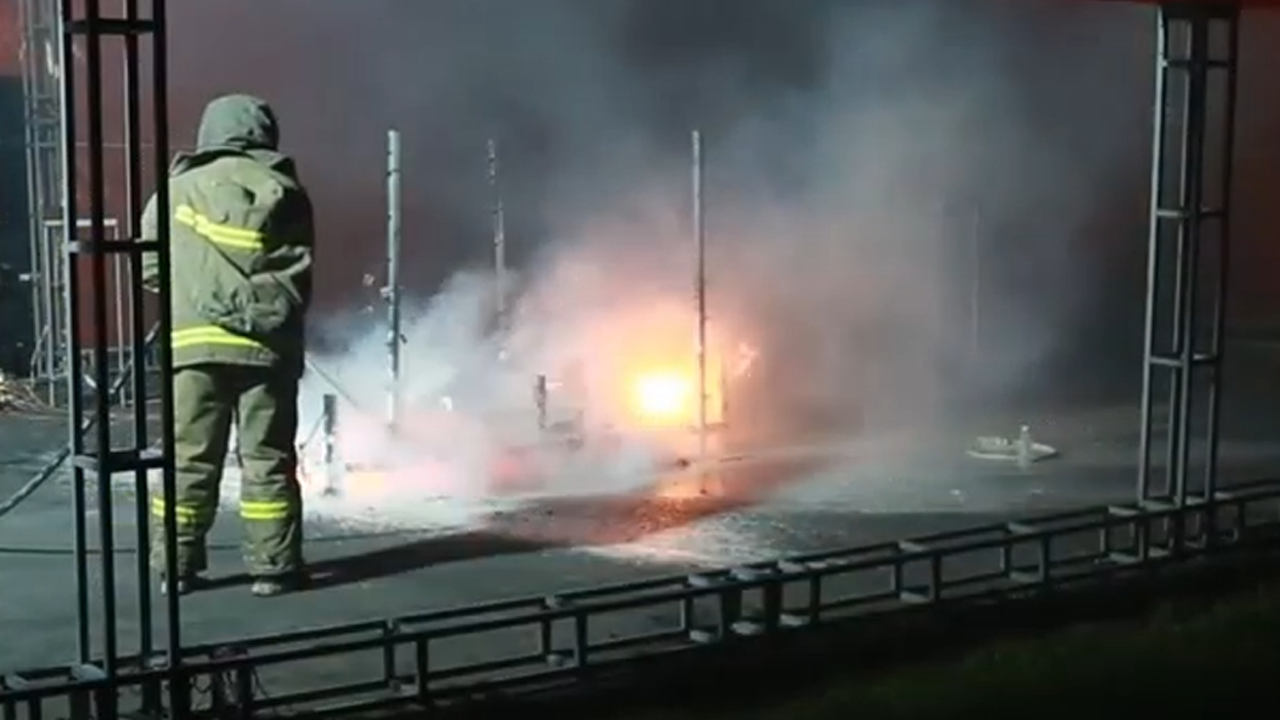
lithium battery fire test2

No Re-Ignition
Risk

Forms a stable aerogel barrier that prevents oxygen contact and stops internal reactions. No re-ignition observed after suppression.
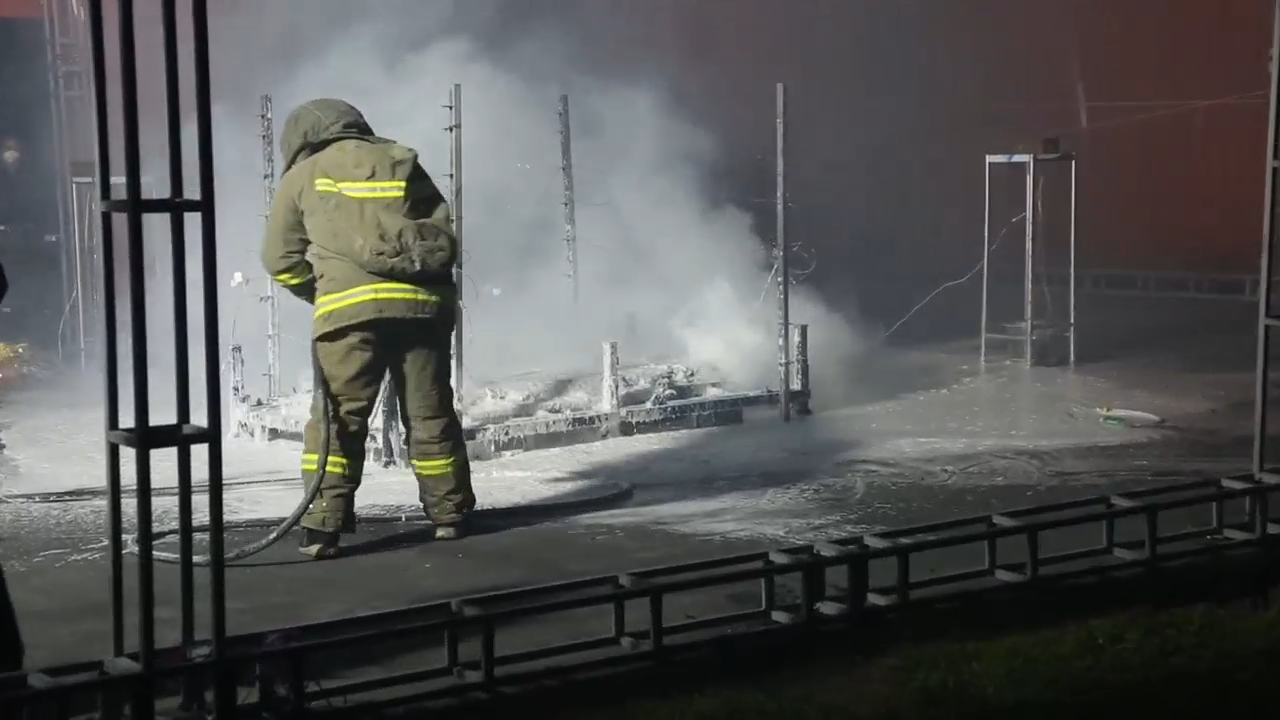
lithium battery fire test3

Rapid Cooling Performance

Quickly absorbs heat and reduces surface temperature within seconds. Effectively slows down thermal runaway propagation.
How It Works

How Aerogel Suppresses Lithium Battery Fires

Aerogel-based fire suppression combines rapid cooling, oxygen isolation, and heat-resistant barrier formation to stop combustion at its source and prevent re-ignition.

01.

Rapid Cooling

Instantly absorbs heat energy and lowers temperature to slow thermal runaway.

02.

Aerogel Barrier Formation

Creates a dense, heat-resistant foam layer that isolates oxygen and fuel.

03.

Anti-Re-Ignition Protection

Prevents burn-back and eliminates the risk of fire recurrence.

Why Aerogel Outperforms Traditional Fire Extinguishers

Fire test results show significant performance differences between aerogel-based suppression and conventional fire extinguishing methods. Choosing the right solution directly impacts safety, equipment protection, and long-term cost.

Criteria ⭐ Aerogel Dry Powder Foam (AFFF) CO₂ Water
Fire Classes A, B, E, F A, B, C A, B B, E A
Extinguishing Speed ⚡ Seconds Fast Medium Fast Slow
Re-ignition Risk ✅ None ⚠️ Possible ❌ High ❌ High ❌ High
Electrical Safety Up to 36kV Residue Risk Not Safe Safe Not Safe
Cooling Capability ★★★★★ ★★★ ★★★★
Residue Minimal Heavy Moderate None None
Equipment Damage None High Medium None High
Environmental Impact Eco-friendly (REACH) Dust Pollution PFAS Risk CO₂ Emission Low
Maintenance Cost Low Medium Medium Medium Low

Full fire test reports and application-specific data are available upon request.

Recommended Products

Recommended Fire Protection Products for This Scenario

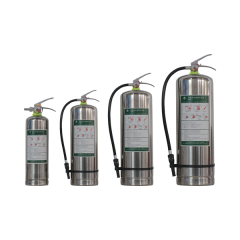
手提式灭火器

Compact Aerosol Fire Extinguisher

Lightweight aerosol extinguishers designed for quick response to small fires in vehicles, offices, and confined spaces.
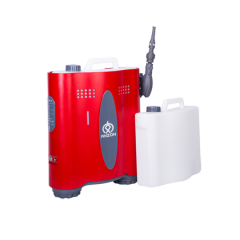
背负式灭火装备

Backpack Firefighting Equipment

Portable firefighting equipment designed for wildfire control, forest operations, and remote emergency response.
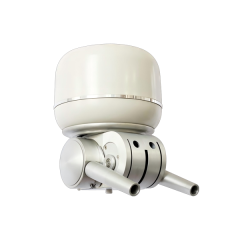
随动炮

Intelligent Fire Suppression Monitor

Automatic fire suppression monitor designed for large facilities, warehouses, tunnels, and industrial environments.
GET IN TOUCH

Get Full Fire Test Data & Engineering Support

Access detailed fire test reports and get expert recommendations for your application.

Our engineering team will help you select the most effective fire protection solution based on your specific fire risks.

Lithium Battery Fire Test

Test Overview

This test evaluates the performance of aerogel-based fire suppression technology in lithium-ion battery fire scenarios under real fire conditions.

The objective is to verify suppression effectiveness, cooling performance, and re-ignition prevention during thermal runaway events.

All tests are conducted using controlled ignition methods and monitored with temperature and combustion data to ensure reliable and repeatable results.

The results confirm that aerogel-based suppression is highly effective in lithium battery fire scenarios with no re-ignition risk.

Test Validation
14 2.jpg

Test Scenario & Procedure

Fire Type: Lithium-ion battery thermal runaway
Test Object: Battery module / pack
Ignition Method: External heating trigger
Environment: Semi-enclosed test space

Test Procedure

Real Fire Test Footage →

Key Fire Test Results

thermal runaway battery fire.jpg

Rapid Fire Suppression

Extinguishes lithium battery fires within ≤120 seconds under thermal runaway conditions. Significantly reduces flame intensity and prevents fire spread.

thermal runaway battery fire.jpg

No Re-Ignition
Risk

Forms a stable aerogel barrier that prevents oxygen contact and stops internal reactions. No re-ignition observed after suppression.

thermal runaway battery fire.jpg

Rapid Cooling Performance

Quickly absorbs heat and reduces surface temperature within seconds. Effectively slows down thermal runaway propagation.
How It Works

How Aerogel Suppresses Lithium Battery Fires

Aerogel-based fire suppression combines rapid cooling, oxygen isolation, and heat-resistant barrier formation to stop combustion at its source and prevent re-ignition.

01.

Rapid Cooling

Instantly absorbs heat energy and lowers temperature to slow thermal runaway.

02.

Aerogel Barrier Formation

Creates a dense, heat-resistant foam layer that isolates oxygen and fuel.

03.

Anti-Re-Ignition Protection

Prevents burn-back and eliminates the risk of fire recurrence.

Why Aerogel Outperforms Traditional Fire Extinguishers

Fire test results show significant performance differences between aerogel-based suppression and conventional fire extinguishing methods. Choosing the right solution directly impacts safety, equipment protection, and long-term cost.

Criteria ⭐ Aerogel Dry Powder Foam (AFFF) CO₂ Water
Fire Classes A, B, E, F A, B, C A, B B, E A
Extinguishing Speed ⚡ Seconds Fast Medium Fast Slow
Re-ignition Risk ✅ None ⚠️ Possible ❌ High ❌ High ❌ High
Electrical Safety Up to 36kV Residue Risk Not Safe Safe Not Safe
Cooling Capability ★★★★★ ★★★ ★★★★
Residue Minimal Heavy Moderate None None
Equipment Damage None High Medium None High
Environmental Impact Eco-friendly (REACH) Dust Pollution PFAS Risk CO₂ Emission Low
Maintenance Cost Low Medium Medium Medium Low

Full fire test reports and application-specific data are available upon request.

Recommended Products

Recommended Fire Protection Products for This Scenario

手提式灭火器.png

Compact Aerosol Fire Extinguisher

Lightweight aerosol extinguishers designed for quick response to small fires in vehicles, offices, and confined spaces.
背负式灭火装备 2.png

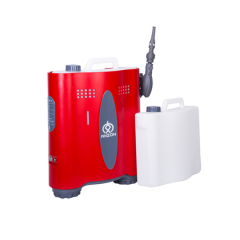
Backpack Firefighting Equipment

Portable firefighting equipment designed for wildfire control, forest operations, and remote emergency response.
随动炮.png

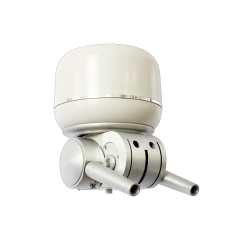
Intelligent Fire Suppression Monitor

Automatic fire suppression monitor designed for large facilities, warehouses, tunnels, and industrial environments.

GET IN TOUCH

Get Full Fire Test Data & Engineering Support

Access detailed fire test reports and get expert recommendations for your application.

Our engineering team will help you select the most effective fire protection solution based on your specific fire risks.