
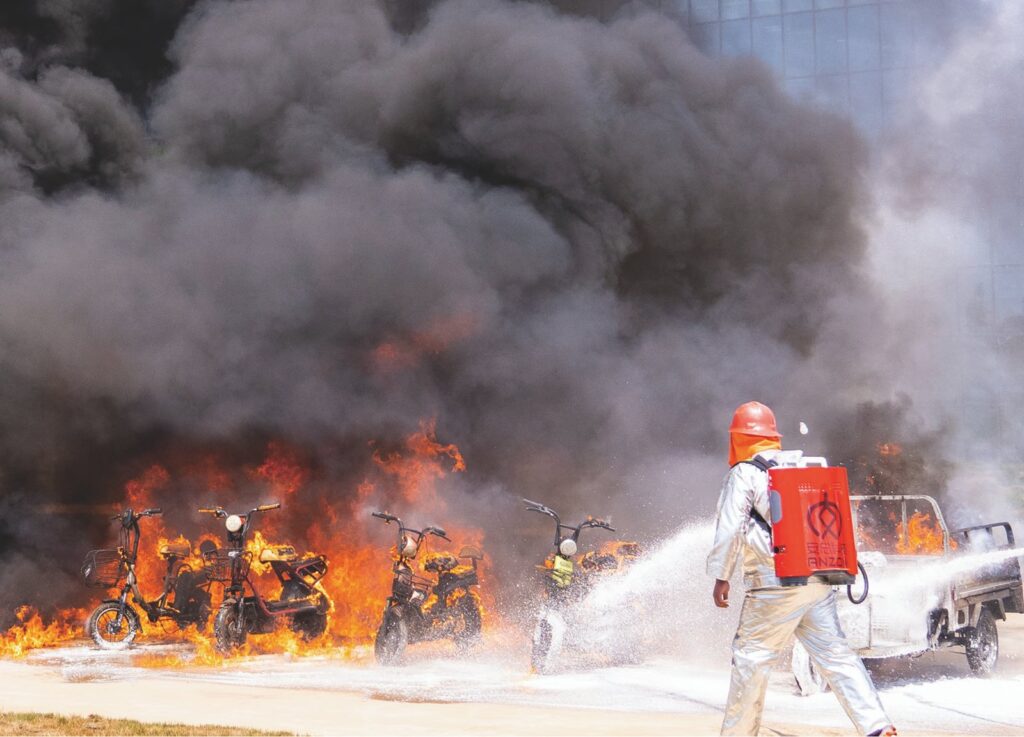
Petrochemical & Oil Fire Test

Test Overview

This test evaluates the effectiveness of aerogel-based fire suppression technology in petrochemical and oil fire scenarios involving high-temperature fuel combustion.

The objective is to validate rapid suppression, flame control, and resistance to burn-back under continuous fuel fire conditions.

All tests are conducted under real fire conditions to simulate industrial fire risks in refineries, storage tanks, and chemical facilities.

Test Validation
14 2.jpg

Test Scenario & Procedure

Fire Type: Oil / fuel fire
Test Object: Open fuel tray
Ignition Method: Direct fuel ignition
Environment: Open industrial test area

Test Procedure

Real Fire Test Footage →

Key Fire Test Results

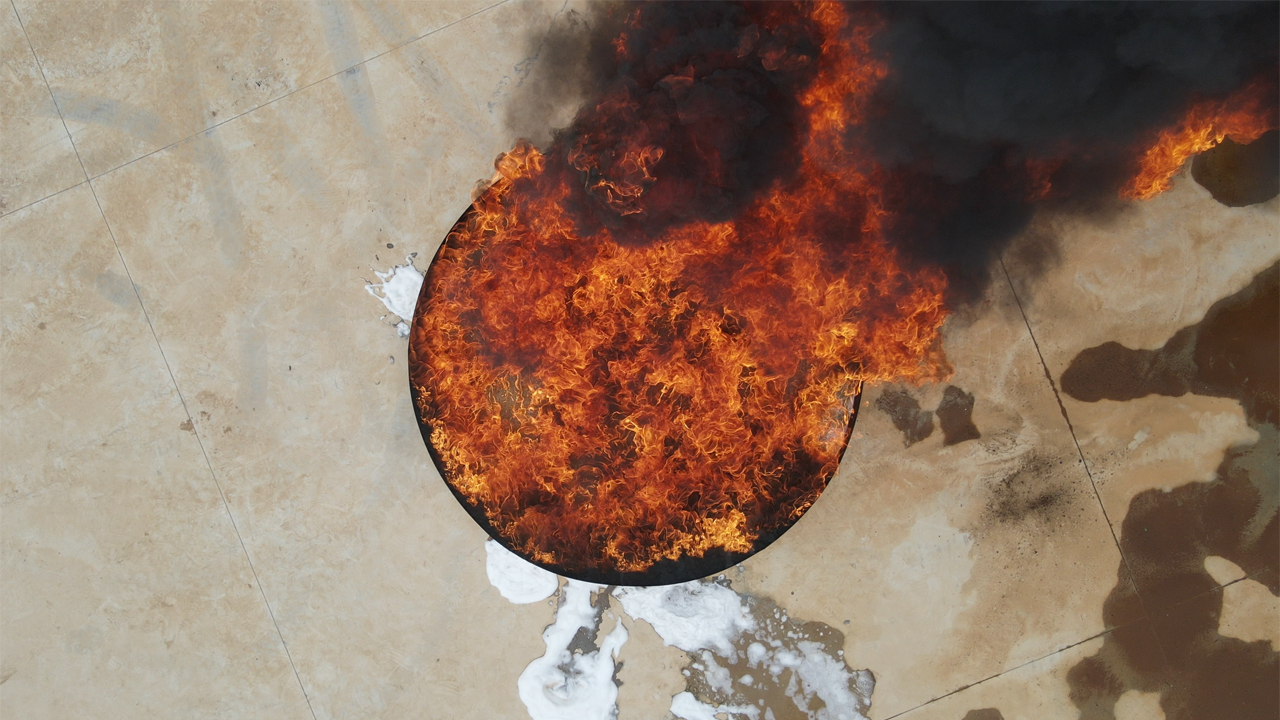
oil fire test1

Ultra-Fast Flame Knockdown

Suppresses oil fires within seconds, even under continuous fuel conditions. Rapidly reduces flame height and intensity.
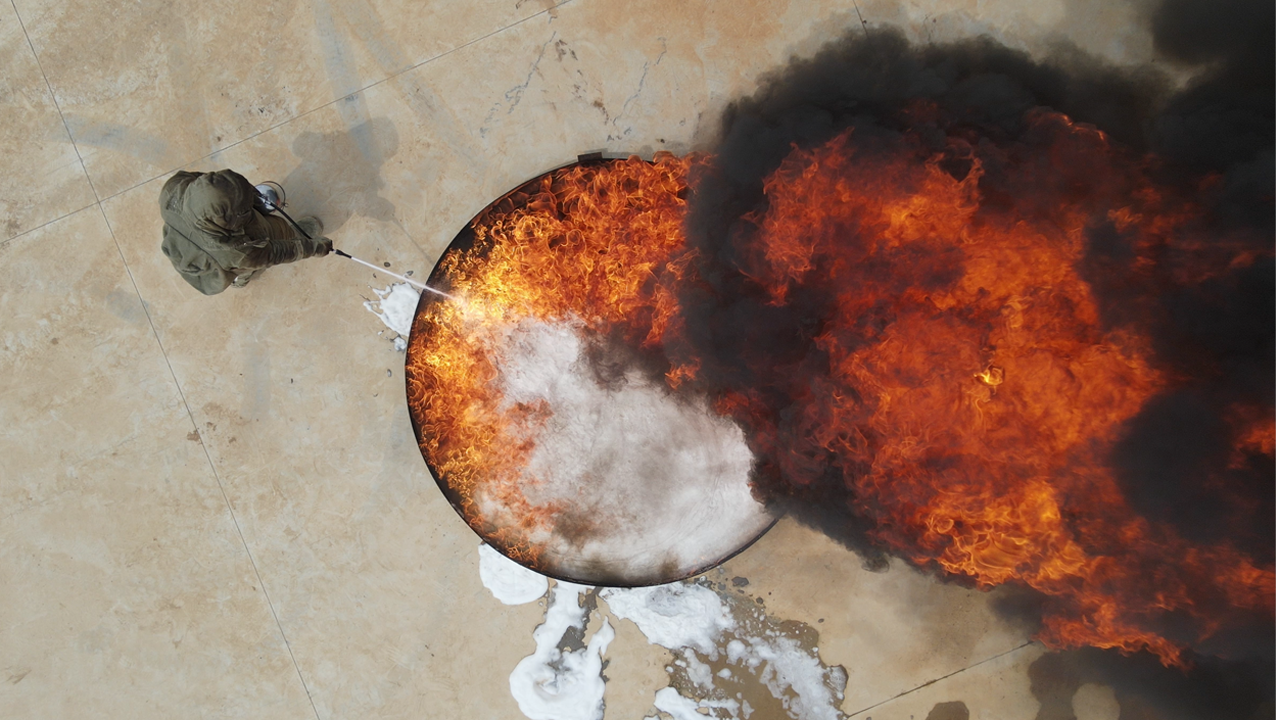
oil fire test2

Strong Burn-Back Resistance

Forms a stable barrier over fuel surface to prevent flame re-spread. Effectively eliminates burn-back risk.
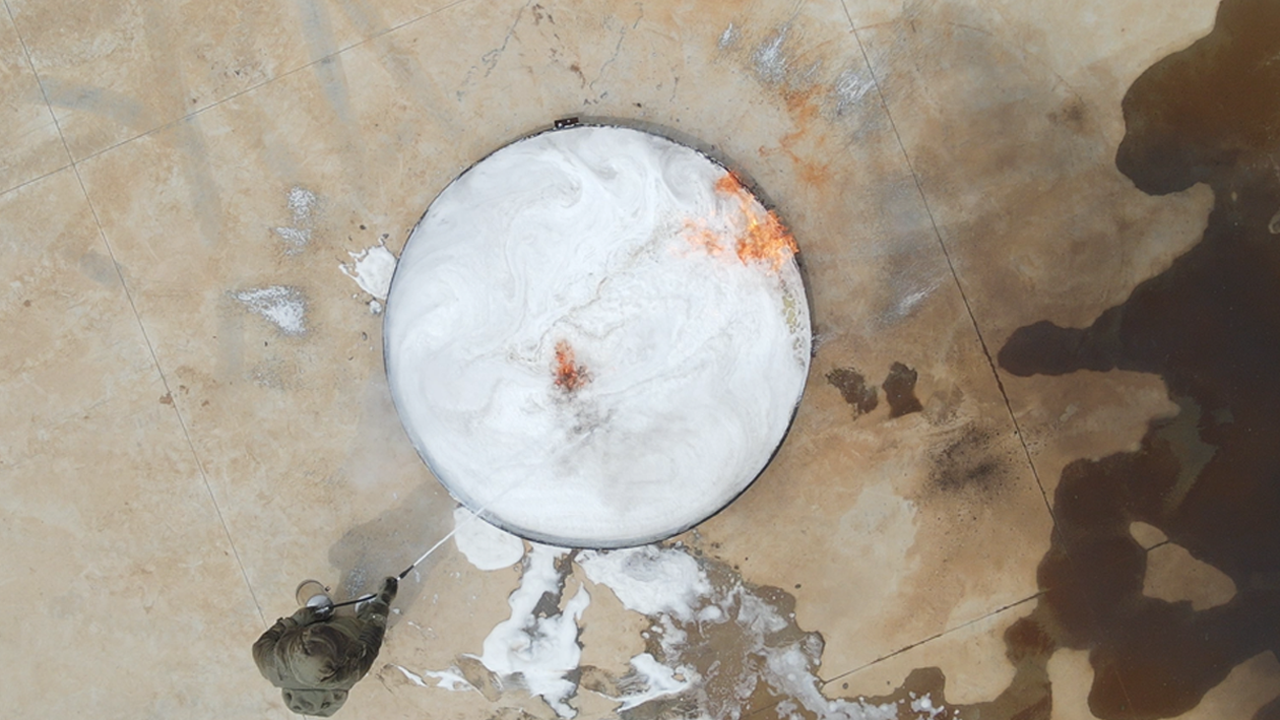
oil fire test

High Adhesion & Surface Coverage

Adheres to fuel surface and creates a uniform protective layer. Ensures complete fire isolation and suppression.
How It Works

How Aerogel Suppresses Fuel Fires

Aerogel-based suppression technology combines rapid cooling with strong adhesion and oxygen isolation to control high-temperature fuel fires effectively.

01.

Rapid Cooling

Quickly reduces flame temperature and suppresses combustion intensity.

02.

Foam Barrier Formation

Forms a stable layer over fuel surface to isolate oxygen.

03.

Burn-Back Prevention

Prevents flame re-ignition on liquid fuel surfaces.

Why Aerogel Is More Effective for Fuel Fire Suppression

Fire test results show significant performance differences between aerogel-based suppression and conventional fire extinguishing methods. Choosing the right solution directly impacts safety, equipment protection, and long-term cost.

Criteria ⭐ Aerogel Dry Powder Foam (AFFF) CO₂ Water
Fire Classes A, B, E, F A, B, C A, B B, E A
Extinguishing Speed ⚡ Seconds Fast Medium Fast Slow
Re-ignition Risk ✅ None ⚠️ Possible ❌ High ❌ High ❌ High
Electrical Safety Up to 36kV Residue Risk Not Safe Safe Not Safe
Cooling Capability ★★★★★ ★★★ ★★★★
Residue Minimal Heavy Moderate None None
Equipment Damage None High Medium None High
Environmental Impact Eco-friendly (REACH) Dust Pollution PFAS Risk CO₂ Emission Low
Maintenance Cost Low Medium Medium Medium Low

Full fire test reports and application-specific data are available upon request.

Recommended Products

Test-Validated Fire Protection Products for Fuel Fires

Based on petrochemical fire test results, the following products are recommended for high-temperature fuel fire protection:

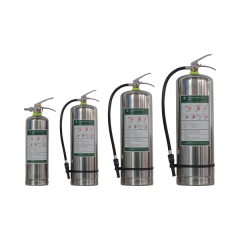
手提式灭火器.png

Compact Aerosol Fire Extinguisher

Lightweight aerosol extinguishers designed for quick response to small fires in vehicles, offices, and confined spaces.
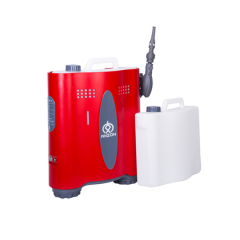
背负式灭火装备 2.png

Backpack Firefighting Equipment

Portable firefighting equipment designed for wildfire control, forest operations, and remote emergency response.
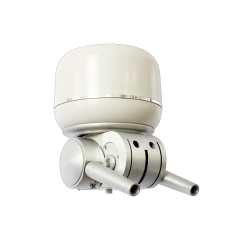
随动炮.png

Intelligent Fire Suppression Monitor

Automatic fire suppression monitor designed for large facilities, warehouses, tunnels, and industrial environments.

GET IN TOUCH

Get Full Petrochemical Fire Test Data & Engineering Support

Access detailed fire test reports and get expert recommendations for petrochemical fire protection.

Our engineering team provides tailored solutions for high-risk industrial environments.