In fire protection, most people focus on visible flames.
However, the real driver of fire is heat — and without effective cooling, fire suppression remains incomplete.
Understanding the role of cooling is essential for evaluating fire suppression systems, especially in high-risk environments such as lithium battery systems, petrochemical facilities, and industrial operations.
Fire Is Driven by Heat
Fire exists when three elements combine:
- Heat
- Fuel
- Oxygen
This is commonly known as the fire triangle.
While many suppression methods focus on removing oxygen or interrupting combustion, heat is often the most critical factor.
Without reducing temperature, combustion can continue.
What Happens Without Cooling
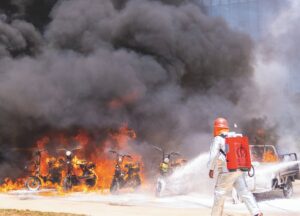
In many fire scenarios, extinguishing visible flames does not mean the fire is fully controlled.
Without effective cooling:
- Heat remains in the material
- Chemical reactions continue
- Fire can reignite
This is especially dangerous in modern fire scenarios.
Cooling in Lithium Battery Fires
Lithium battery fires are driven by thermal runaway.
This process:
- Generates heat internally
- Continues even without external oxygen
- Causes repeated ignition
Without strong cooling:
- Internal temperature remains high
- Cells continue reacting
- Fire returns after suppression
Cooling in Oil and Industrial Fires
In oil fires:
- Fuel temperature remains elevated
- Flammable vapors continue to form
- Surface suppression is not enough
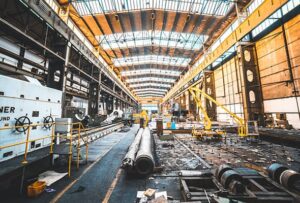
In industrial environments:
- Equipment retains heat
- Fire spreads through hot surfaces
- Secondary ignition occurs
Cooling is critical to stopping these processes.
Limitations of Traditional Fire Extinguishers
Many conventional extinguishers do not provide sufficient cooling.
Dry Powder
- Interrupts flame reactions
- Does not reduce temperature
CO₂
- Displaces oxygen
- Provides minimal cooling
Foam
- Offers some cooling
- Breaks down under high heat
As a result, these methods may suppress flames but fail to eliminate heat.
What Effective Cooling Looks Like
An effective fire suppression system must:
- Rapidly reduce temperature
- Reach internal fire sources
- Maintain cooling over time
Cooling must go beyond the surface to fully stop combustion.
Advanced Fire Suppression Approach
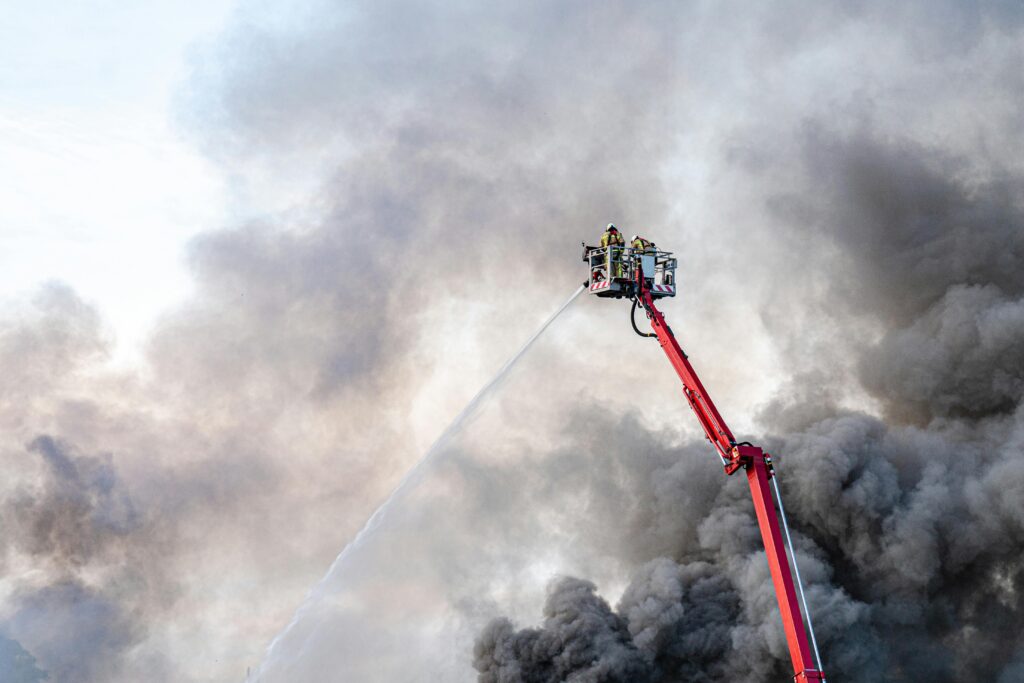
Modern fire suppression technologies integrate cooling as a primary mechanism.
These systems:
- Absorb heat quickly
- Reduce both surface and internal temperature
- Stabilize the environment after suppression
This approach significantly reduces the risk of re-ignition.
Why Cooling Determines Fire Suppression Success
Cooling directly impacts:
Fire Duration
Lower temperatures slow down combustion reactions.
Fire Spread
Reduced heat limits the spread of fire to nearby materials.
Re-Ignition Risk
Without heat, combustion cannot restart.
Practical Implications
For high-risk environments, cooling is not optional — it is essential.
This includes:
- Battery energy storage systems (BESS)
- EV charging infrastructure
- Petrochemical facilities
- Industrial plants
Without effective cooling, fire suppression systems cannot provide reliable protection.
Conclusion
Fire suppression is not just about removing flames — it is about controlling heat.
Without proper cooling, fire risks remain even after suppression.
Understanding this principle is key to selecting the right fire protection system.
Improve Your Fire Suppression Strategy
Looking for more effective fire protection?
- Evaluate cooling performance in your current system
- Request technical data and fire test results
- Explore advanced fire suppression solutions
Contact our team to learn how improved cooling can enhance fire safety in your facility.