Fire protection is often misunderstood as simply “putting out a fire.”
In reality, there is a significant difference between fire extinguishing and fire suppression — and understanding this difference is critical for effective fire safety in modern industrial environments.
This article explains how these two approaches differ and why fire suppression is becoming the preferred strategy for high-risk applications.
What Is Fire Extinguishing?
Fire extinguishing refers to the act of putting out visible flames.
It typically involves:
- Manual intervention
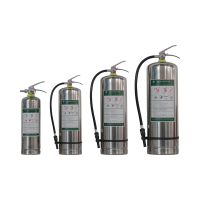
- Portable fire extinguishers
- Immediate response to small fires
The primary goal is to stop combustion at the surface level.
Common Fire Extinguishing Methods
Traditional extinguishing methods include:
- Dry powder (interrupts flame chemistry)
- CO₂ (removes oxygen)
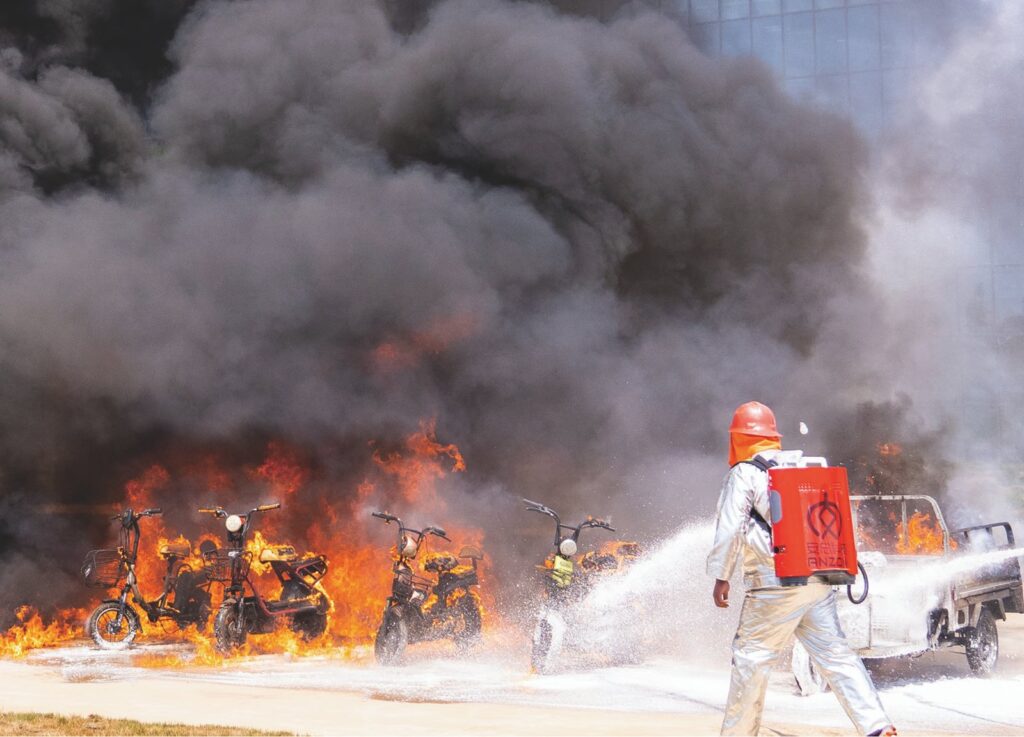
- Foam (covers the fuel surface)
These methods are effective for:
- Small fires
- Early-stage incidents
- Low-risk environments
Limitations of Fire Extinguishing
Fire extinguishing focuses on visible flames but often fails to address deeper fire risks.
Key limitations include:
- No control over internal heat sources
- Limited ability to prevent re-ignition
- Dependence on human response time
In complex fire scenarios, extinguishing alone is often insufficient.
What Is Fire Suppression?
Fire suppression is a more advanced and comprehensive approach.
It is designed to:
- Detect fire early
- Control heat and reaction processes
- Prevent fire from spreading or re-igniting
Fire suppression systems often operate automatically or semi-automatically.
Key Components of Fire Suppression Systems
A typical fire suppression system includes:
- Detection (heat, smoke, or flame sensors)
- Activation mechanism
- Suppression agent delivery system
The goal is not just to extinguish fire, but to control it at its source.
Fire Suppression vs Fire Extinguishing
| Feature | Fire Extinguishing | Fire Suppression |
|---|---|---|
| Approach | Reactive | Preventive & Control |
| Operation | Manual | Automatic / System-based |
| Focus | Visible flames | Heat, reaction, spread |
| Re-Ignition Prevention | Limited | Strong |
| Application Scope | Small fires | Complex environments |
Why Fire Suppression Is More Effective
Modern fire risks — especially in:
- Lithium battery systems
- Petrochemical facilities
- Data centers
Require more than just flame suppression.
Effective fire protection must:
- Reduce temperature rapidly
- Control internal reactions
- Prevent re-ignition
This is where fire suppression systems provide a clear advantage.
The Role of Advanced Suppression Technologies
New fire suppression technologies integrate multiple mechanisms, including:
- Rapid cooling
- Oxygen isolation
- Long-lasting protective layers
These features allow for:
- Faster response
- More reliable control
- Reduced damage and downtime
When to Use Each Approach
Fire Extinguishing Is Suitable For:
- Small, localized fires
- Immediate manual response
- Low-risk environments
Fire Suppression Is Essential For:
- High-risk industrial facilities
- Battery energy storage systems
- Continuous operation environments
Conclusion
Fire extinguishing and fire suppression serve different roles in fire protection.
While extinguishing remains important for small incidents, it is no longer sufficient for modern fire risks.
Fire suppression provides a more complete, reliable, and proactive solution.
Upgrade Your Fire Protection Strategy
Looking to improve fire safety in your facility?
- Evaluate your current fire protection system
- Explore advanced fire suppression solutions
- Get expert recommendations
Contact our team to learn how to upgrade your fire protection approach.