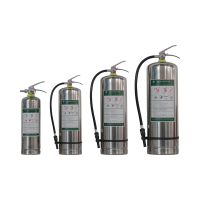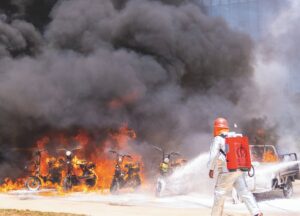
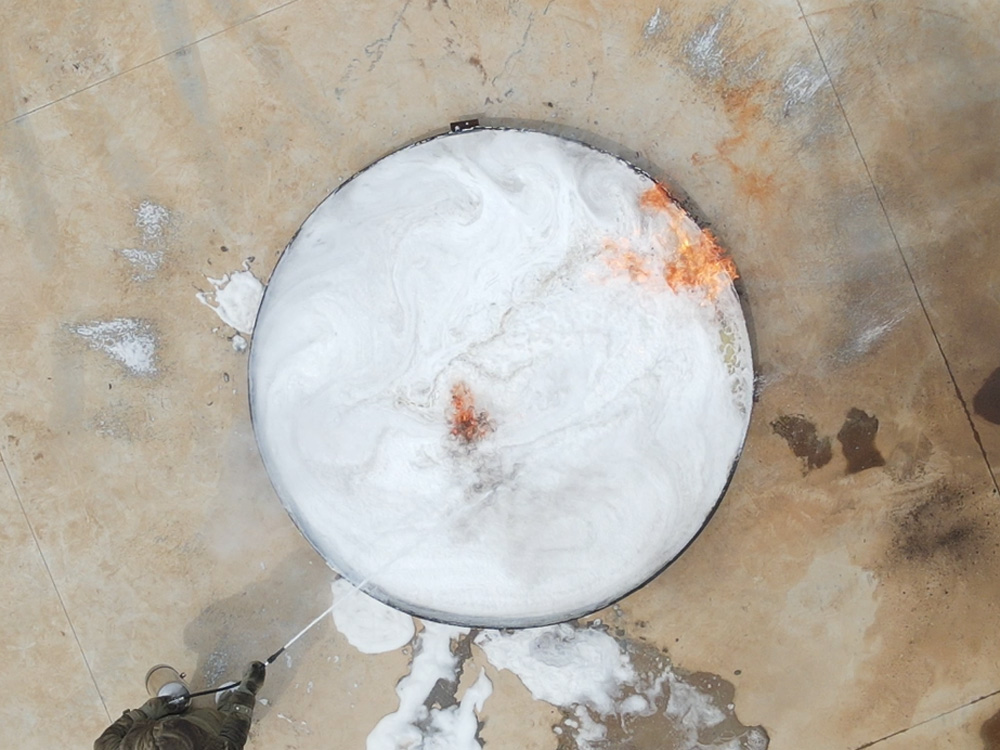
Water and foam fire extinguishers are commonly used in commercial and industrial fire protection.
While both are effective in certain situations, they work in very different ways — and choosing the wrong one can lead to ineffective fire suppression or increased risk.
This guide explains the key differences between water and foam fire extinguishers, including how they work, where they are used, and their limitations.
How Water Fire Extinguishers Work
Water fire extinguishers suppress fire primarily through cooling.
Mechanism:
- Absorbs heat from burning materials
- Reduces temperature below ignition point
Best for:
- Class A fires (wood, paper, textiles)
Advantages of Water Extinguishers
- Strong cooling capability
- Simple and cost-effective
- Widely available
Limitations of Water Extinguishers
- Not suitable for flammable liquids
- Dangerous for electrical fires
- Limited effectiveness in high-temperature or fuel-based fires
How Foam Fire Extinguishers Work
Foam fire extinguishers combine cooling and surface coverage.
Mechanism:
- Forms a foam layer over the fuel surface
- Blocks oxygen
- Provides moderate cooling
Best for:
- Class B fires (flammable liquids)
- Some Class A fires
Advantages of Foam Extinguishers
- Effective for liquid fuel fires
- Helps prevent surface ignition
- Provides better coverage than water
Limitations of Foam Extinguishers
- Foam layer can break down under high heat
- Limited penetration into complex structures
- May not prevent re-ignition
Key Differences: Water vs Foam
| Feature | Water | Foam |
|---|---|---|
| Cooling Ability | High | Medium |
| Oxygen Isolation | None | Yes |
| Fire Types | Class A | Class A & B |
| Re-Ignition Control | Low | Limited |
| Electrical Safety | No | Limited |
Which One Should You Choose?
The choice depends on the type of fire risk:
Use Water If:
- The fire involves solid materials
- No electrical risk is present
- Cooling is the primary requirement
Use Foam If:
- Flammable liquids are involved
- Surface fire control is needed
- Moderate cooling is sufficient
Limitations in Modern Fire Scenarios
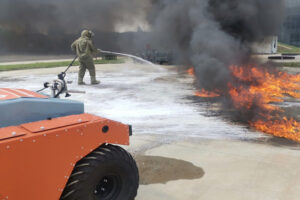
In advanced fire scenarios — such as lithium battery fires or high-temperature industrial fires — both water and foam have limitations.
They may not:
- Penetrate into fire sources
- Stop internal reactions
- Prevent re-ignition
This highlights the need for more advanced fire suppression solutions.
Conclusion
Water and foam fire extinguishers serve important roles in fire protection.
However, each has specific limitations depending on the fire type and environment.
Understanding these differences is essential for selecting the right fire protection solution.
Need Help Choosing the Right Fire Protection System?
- Get expert advice based on your fire risks
- Compare fire suppression solutions
- Request technical recommendations
Contact our team to find the best solution for your application.