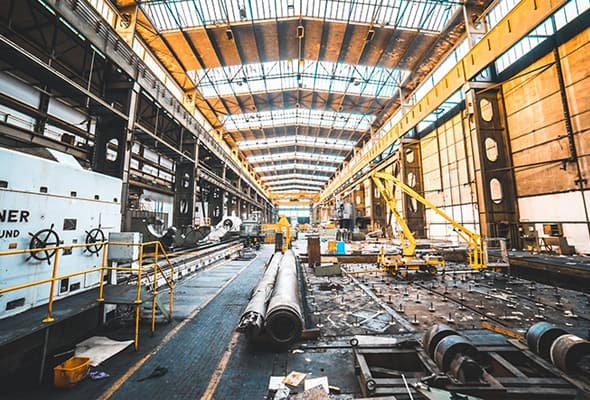
Modern warehouses and logistics facilities are evolving rapidly.
With higher storage density, automation systems, and increased reliance on electrical equipment, fire risks in these environments are becoming more complex and difficult to control.
Understanding the hidden fire risks in warehouses is essential for ensuring safety, protecting assets, and maintaining operational continuity.
Why Warehouse Fire Risks Are Increasing
Several factors contribute to the growing fire risk in modern logistics environments:
- High-density storage systems
- Increased use of lithium batteries
- Automated equipment and robotics
- Complex electrical infrastructure
These elements create conditions where fires can spread quickly and become difficult to manage.
Common Fire Hazards in Warehouses
1. Lithium Battery Storage
Warehouses often store:
- Lithium-ion batteries
- Battery-powered devices
- Electric equipment
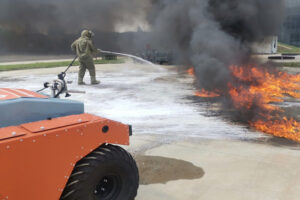
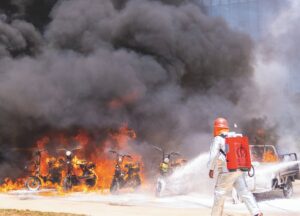
These batteries can undergo thermal runaway, leading to rapid fire escalation and re-ignition.
2. Flammable Materials
Typical warehouse inventory includes:
- Packaging materials (cardboard, plastics)
- Chemicals and liquids
- Palletized goods
These materials can fuel fire growth and increase intensity.
3. Electrical Systems
Warehouses rely heavily on:
- Conveyor systems
- Charging stations
- Lighting and control systems
Electrical faults can easily trigger fires.
4. High Storage Racks
Vertical storage systems:
- Increase fire spread speed
- Trap heat and smoke
- Make firefighting more difficult
Key Challenges in Fire Suppression
Warehouse fire protection presents unique challenges:
Rapid Fire Spread
Dense storage allows fire to spread horizontally and vertically.
Limited Access
Firefighting access can be restricted by storage layouts.
Delayed Detection
Fires may go unnoticed in high or enclosed areas.
Re-Ignition Risk
Residual heat and hidden fire sources can cause fires to reignite.
Limitations of Traditional Fire Protection
Conventional fire protection methods often struggle in warehouse environments:
- Sprinkler systems may not reach hidden fire sources
- Foam and dry powder may not penetrate storage structures
- Manual response is often too slow
This leads to incomplete fire suppression.
What Modern Warehouses Require
Effective fire protection in logistics facilities must include:
- Rapid detection systems
- Strong cooling capability
- Deep penetration into fire sources
- Re-ignition prevention
Without these, fire risks remain high.
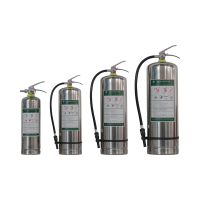
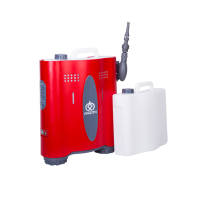
Advanced Fire Suppression Solutions
Modern fire suppression technologies are designed to address these challenges.
They provide:
- Faster response times
- Better coverage across complex layouts
- Improved temperature control
- Long-lasting protection
These systems are increasingly used in high-value warehouse environments.
Typical Applications
Advanced fire suppression is particularly relevant for:
- E-commerce fulfillment centers
- Automated warehouses
- Cold storage facilities
- Battery storage warehouses
- Industrial logistics hubs
Conclusion
Warehouse fire risks are evolving with modern logistics systems.
Traditional fire protection methods may no longer be sufficient to address these challenges.
A more advanced approach is required to ensure safety and operational continuity.
Improve Fire Safety in Your Warehouse
Looking to upgrade fire protection in your facility?
- Assess your current fire risks
- Explore advanced suppression solutions
- Get tailored recommendations
Contact our team to learn how to improve fire safety in your warehouse operations.