
Real Fire Test Results: Preventing Re-Ignition with Aerogel Technology
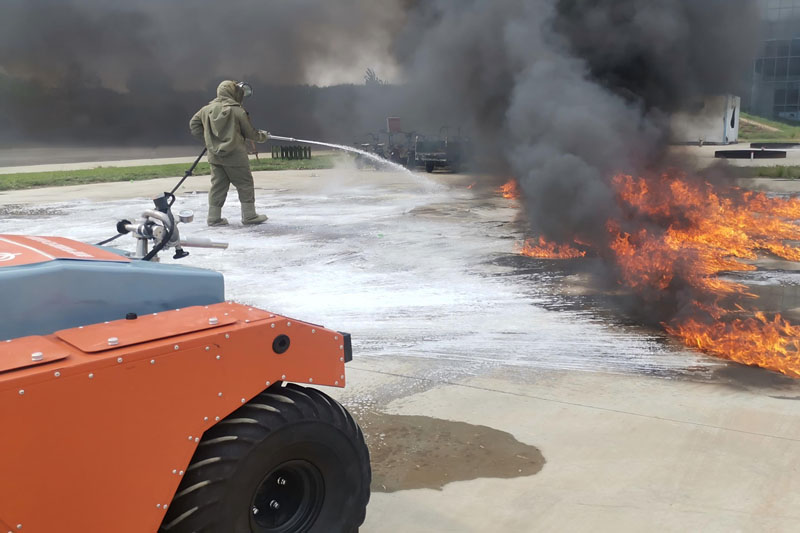
Re-ignition is a major fire risk. Discover real fire test results and how advanced fire suppression technology prevents fires from coming back.
Warehouse Fire Risks: Hidden Dangers in Modern Logistics Facilities
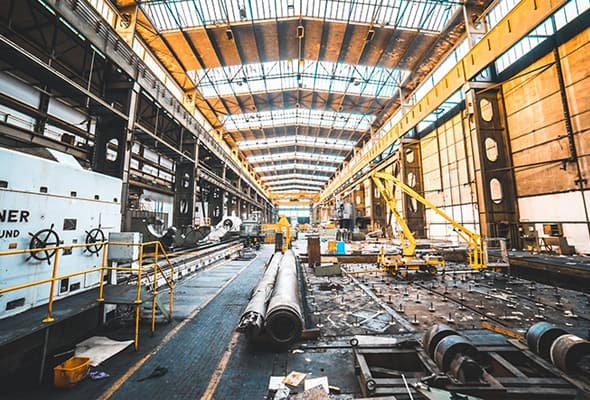
Discover the hidden fire risks in modern warehouses, including lithium batteries, high-density storage, and electrical systems, and how to improve fire safety.
Fire Suppression vs Fire Extinguishing: What’s the Real Difference?
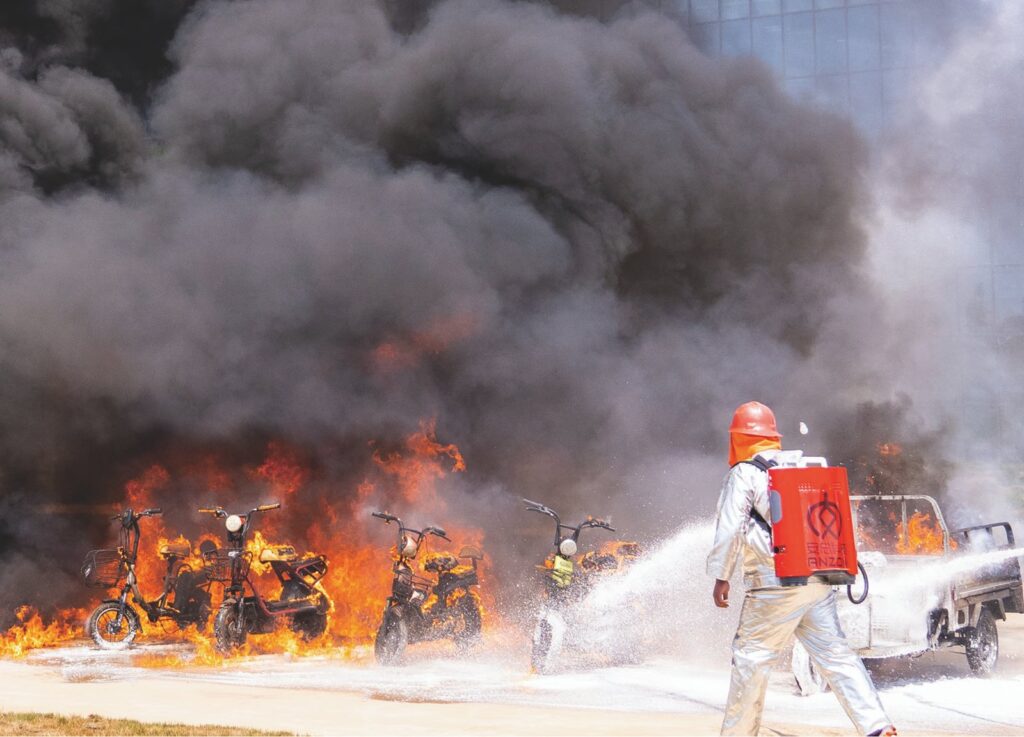
What’s the difference between fire extinguishing and fire suppression? Learn why modern fire safety requires more than just putting out flames.
Water vs Foam Fire Extinguishers: Key Differences Explained
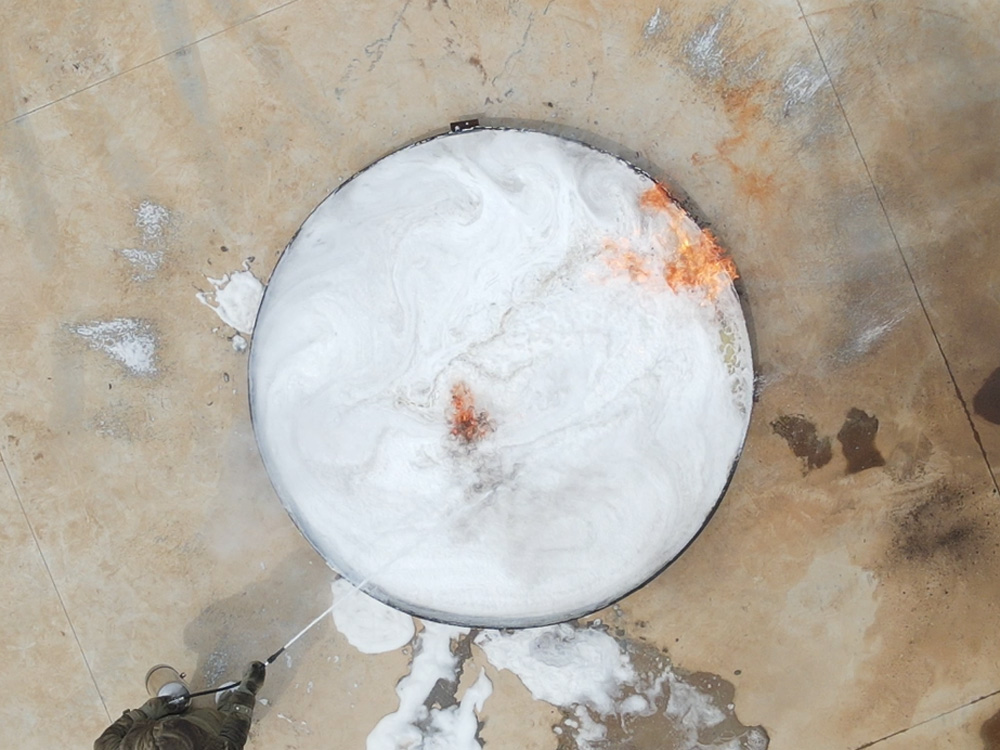
Water or foam? Learn the key differences between fire extinguishers, including cooling ability, fire types, and real-world limitations.
Foam vs Dry Powder vs CO₂: Which Fire Extinguisher Works Best?
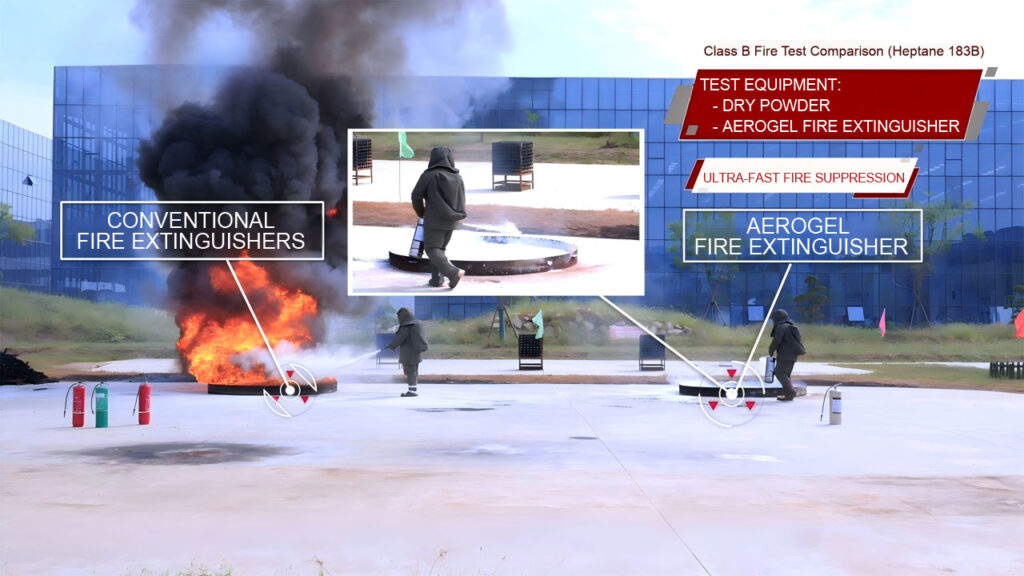
Foam, dry powder, or CO₂? Compare fire extinguishers based on performance, limitations, and real-world applications to find the best solution.
Oil Fire Suppression Test: Performance Comparison Analysis
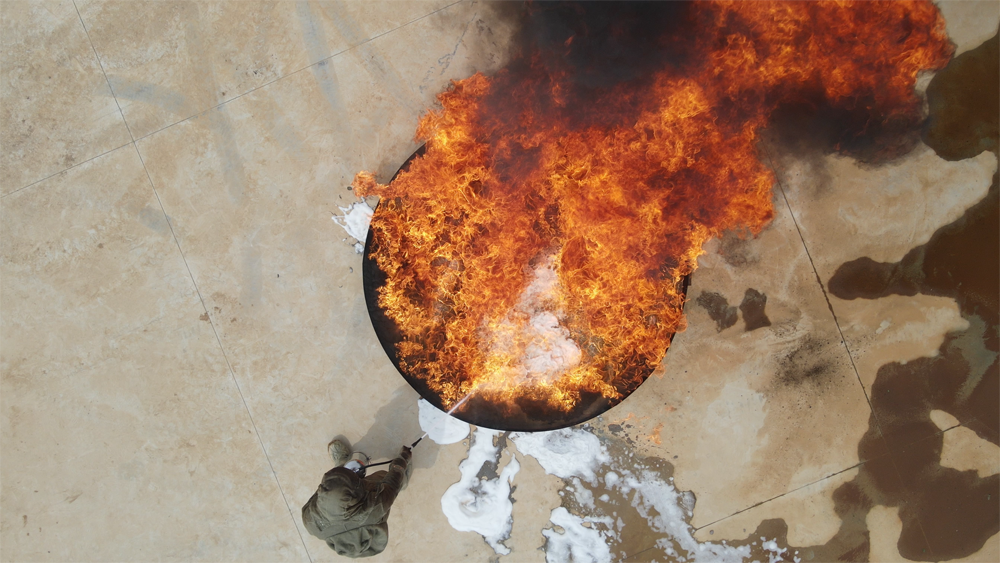
A controlled oil fire test comparing foam and aerogel suppression systems. Discover which solution delivers better heat control and prevents re-ignition.
How Aerogel Fire Suppression Works: A New Approach to Fire Control
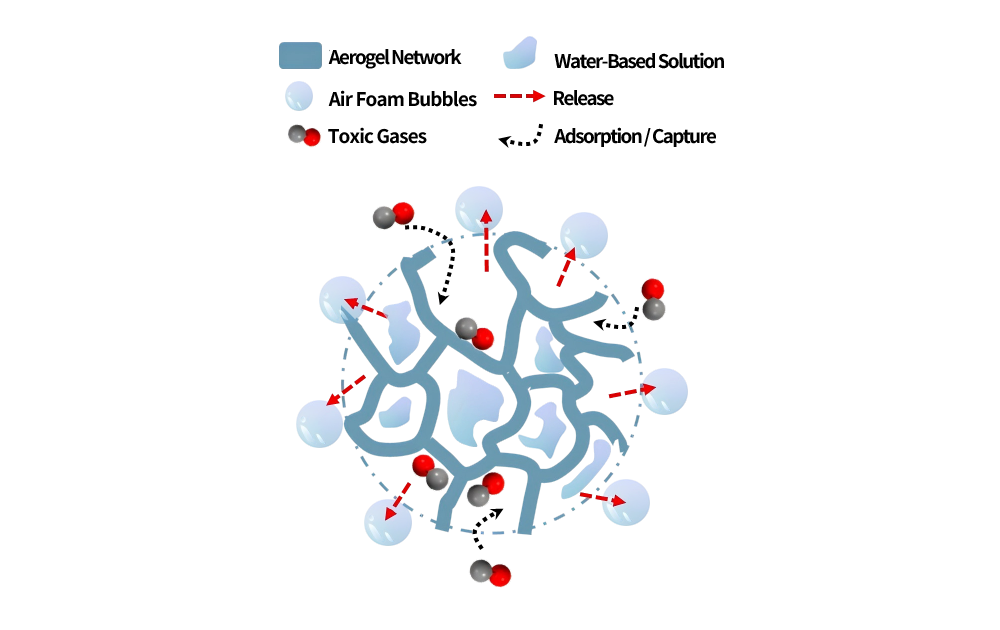
Discover how aerogel fire suppression works and why it offers superior cooling, oxygen isolation, and re-ignition prevention compared to traditional methods.
Best Fire Extinguisher for Lithium Battery Fires (2026 Guide)
Looking for the best fire extinguisher for lithium battery fires? Compare dry powder, CO₂, foam, and advanced solutions based on real performance.
Lithium Battery Fire Test: Aerogel vs Traditional Fire Extinguishers
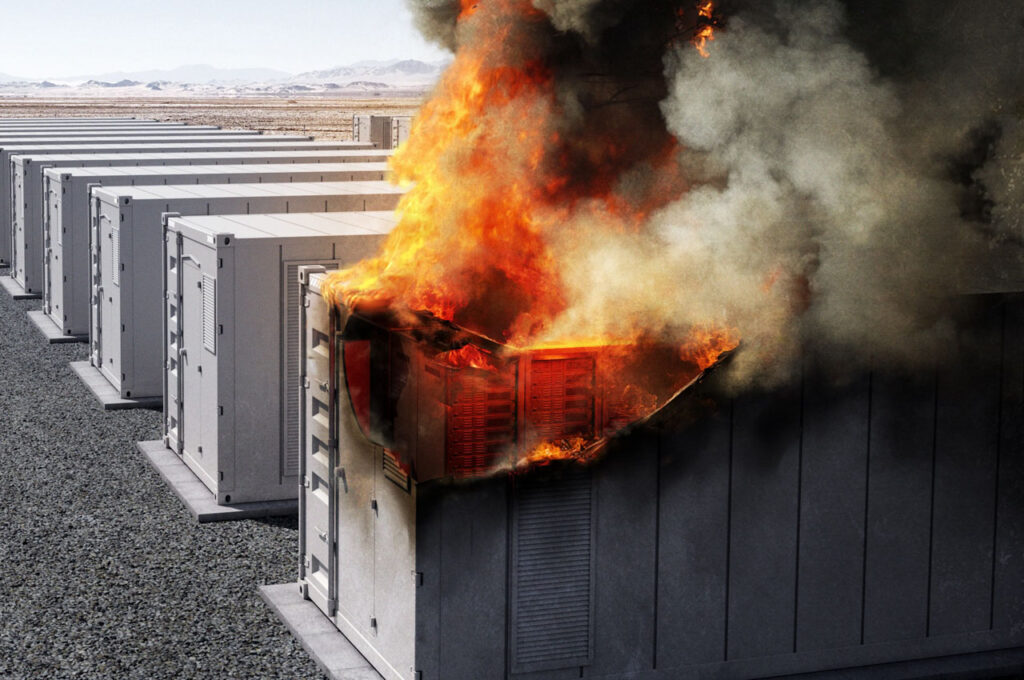
A real-world lithium battery fire test comparing aerogel and traditional extinguishers. See why cooling and anti-reignition performance make the critical difference.
Why Cooling Matters in Fire Suppression Systems
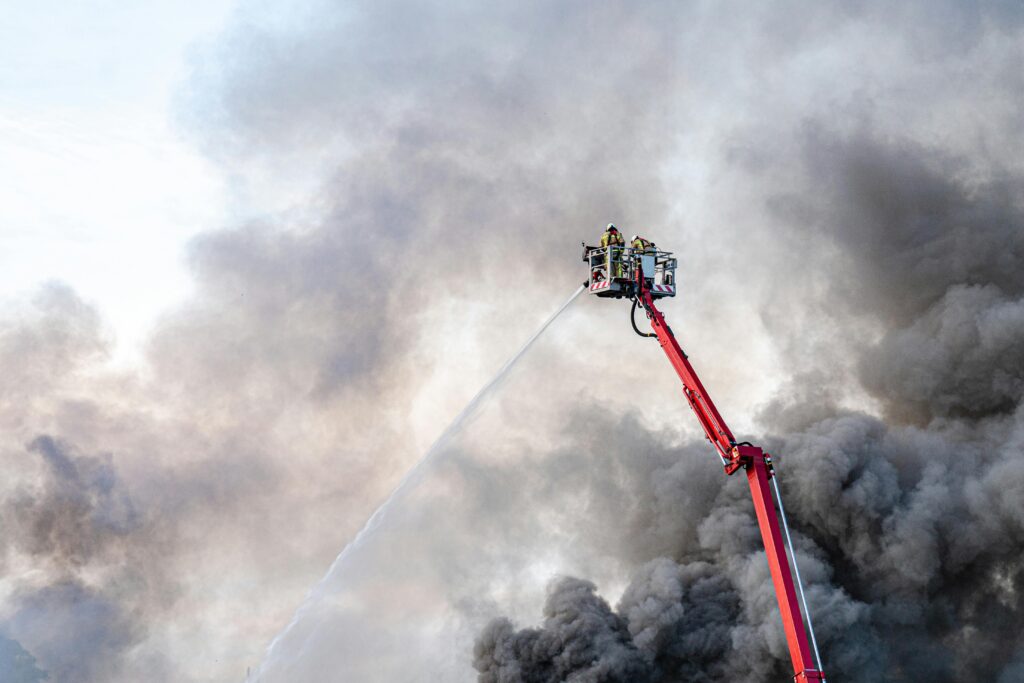
Cooling is critical in fire suppression. Learn why reducing temperature is essential for stopping fire, preventing re-ignition, and improving safety.